Overcome Chronic Pain With RFA in Palm Beach Gardens

Chronic pain has a way of starting quietly and gradually becoming impossible to ignore. Over time, it can affect your mood, disrupt your sleep, and prevent you from participating in the activities that bring meaning and enjoyment to your life. If that experience sounds familiar, the Advanced Relief Institute in Palm Beach Gardens is here to offer relief through advanced non-surgical procedures like radiofrequency ablation in Palm Beach Gardens. Our experienced team uses RFA to target the specific nerve fibers responsible for your pain, providing a level of relief that can be both significant and long-lasting.

Textured Background

What Is Radiofrequency Ablation?

Radiofrequency ablation is a minimally invasive pain management technique that uses carefully controlled radiofrequency energy to disable the specific nerve fibers that carry pain signals to the brain. By heating and ablating these nerves with precision, RFA interrupts the pain pathway and significantly reduces or eliminates the discomfort associated with chronic pain conditions. The primary goal of the procedure is to provide prolonged pain relief without the risks or recovery demands of open surgery.

The targeted nature of RFA is one of its most important advantages. Because the procedure is guided by imaging technology, your Palm Beach Gardens provider can identify and treat the exact nerve fibers responsible for your pain, minimizing the impact on surrounding healthy structures. This precision makes radiofrequency ablation in Palm Beach Gardens especially effective for conditions like facet joint arthropathy, spondylosis, and other degenerative spinal conditions.

RFA is widely used as a non-surgical approach to pain management and is valued for its ability to provide lasting improvement in function and quality of life. To determine whether radiofrequency ablation is right for your condition, contact the Advanced Relief Institute in Palm Beach Gardens to schedule your consultation today.
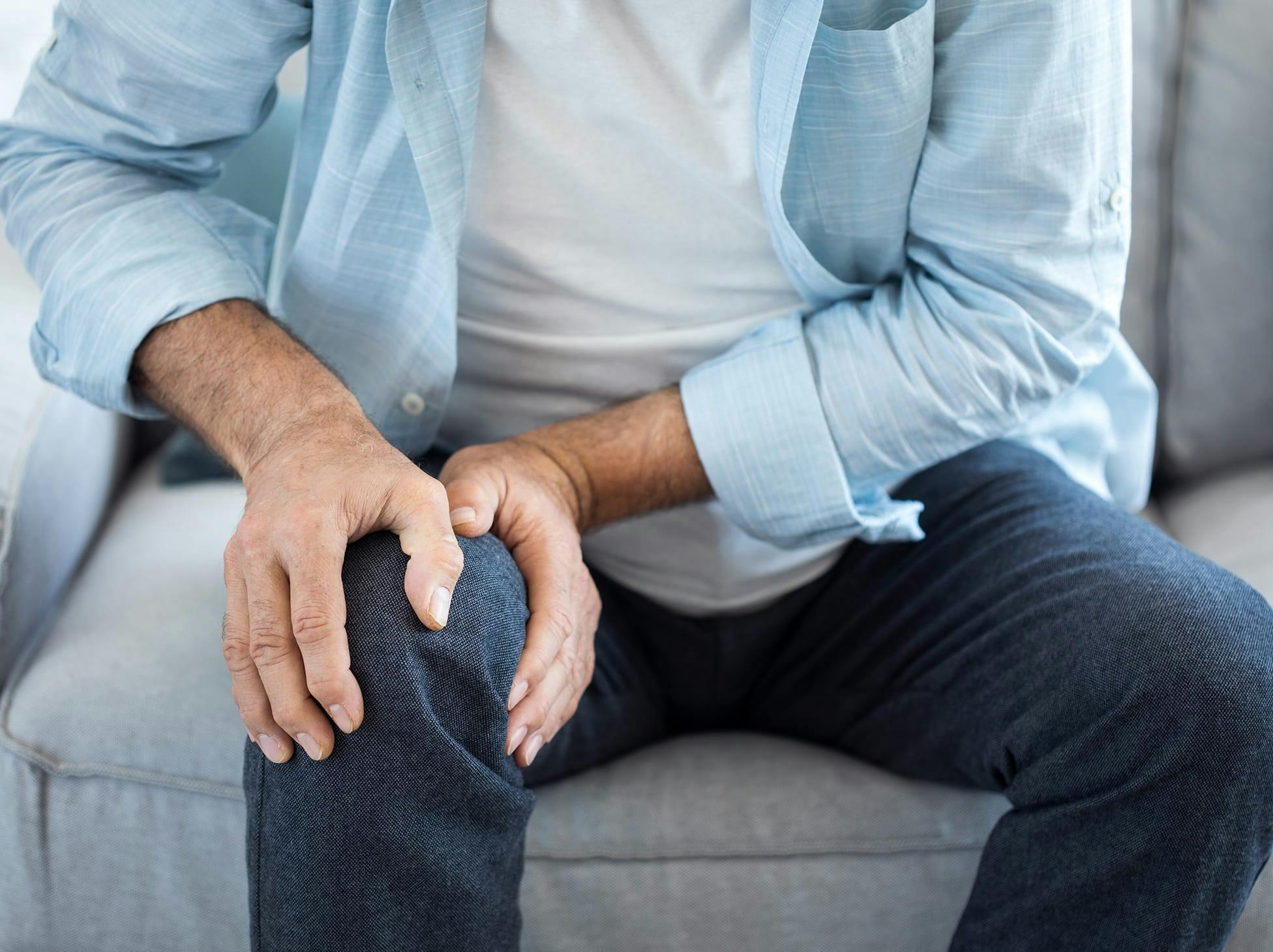

man holding his knee

How Is Radiofrequency Ablation Performed?

RFA is typically performed under local anesthesia with mild sedation to ensure your comfort throughout the procedure. Depending on the area being treated, you will be positioned either face down or on your back. The skin over the treatment site is thoroughly cleansed and a numbing agent is applied. Using fluoroscopic guidance, your provider will carefully advance a thin needle to the target nerve tissue and insert a microelectrode through it. The electrode then delivers radiofrequency energy to heat the nerve, interrupting its ability to transmit pain signals. The procedure usually takes between 10 and 30 minutes.

Patients are typically able to go home the same day following the procedure. Your provider will give you detailed post-procedure instructions and schedule a follow-up appointment to assess your response to treatment.

Textured Background

Pre-Op and Post-Op Instructions

Before Your RFA Treatment Session

We recommend arranging for someone to drive you to and from your RFA appointment at our Palm Beach Gardens office, as the sedative medication used during the procedure may affect your ability to drive safely for a period of time after. Your provider will review all of your current medications in advance, with particular attention to blood thinners and diabetes medications, as temporary adjustments may be necessary before the procedure. If sedation is part of your procedure plan, you will need to fast from food and fluids for a specified period before your appointment. It is also important to notify your physician of any recent illnesses, fever, or infections, as these may require the procedure to be rescheduled to ensure the safest and most effective outcome.

Background texture

After the Procedure

Following your RFA treatment at our Palm Beach Gardens pain clinic, most patients prefer to rest for the remainder of the day and resume regular activities gradually over the next day or two. Some soreness or a temporary increase in nerve pain at the treatment site is normal in the first few days and can be managed comfortably with ice and over-the-counter pain relief as needed. You should avoid immersing the treated area in water, such as baths, pools, or hot tubs, for a couple of days to allow the puncture sites to heal completely. Monitor the injection sites for any signs of infection, including unusual redness, swelling, warmth, or discharge. If you notice anything concerning, contact our Palm Beach Gardens office promptly. We will schedule a follow-up visit to evaluate the effectiveness of your RFA treatment and discuss next steps, including whether additional sessions or complementary therapies would be beneficial.

Background texture

Leave Chronic Pain Behind With RFA in Palm Beach Gardens

Following radiofrequency ablation treatment in Palm Beach Gardens, many patients experience pain relief that lasts from six months to several years. If pain returns over time, repeating the procedure is generally an option, and your physician may also recommend complementary therapies such as physical therapy, medication management, or other interventional pain treatments to enhance and extend the results of RFA.

At the Advanced Relief Institute, we firmly believe that chronic pain should not be a permanent part of your life. Our multidisciplinary approach to pain management is tailored specifically to each patient's needs, providing care that is both personalized and effective. If you are ready to explore how radiofrequency ablation in Palm Beach Gardens can help you move beyond chronic pain, contact the Advanced Relief Institute to set up your initial consultation today.

Office media Office media Office media

Notification popup

Button

Contact us media
Accessibility: If you are vision-impaired or have some other impairment covered by the Americans with Disabilities Act or a similar law, and you wish to discuss potential accommodations related to using this website, please contact our Accessibility Manager at 954-458-1199.
ANNOUNCEMENT

We're Upgrading Our Systems!

Starting January 20, 2026, we're moving to a new electronic health record system to serve you better.
Save time and complete your check-in online before your visit.

Learn More
Contact Us